

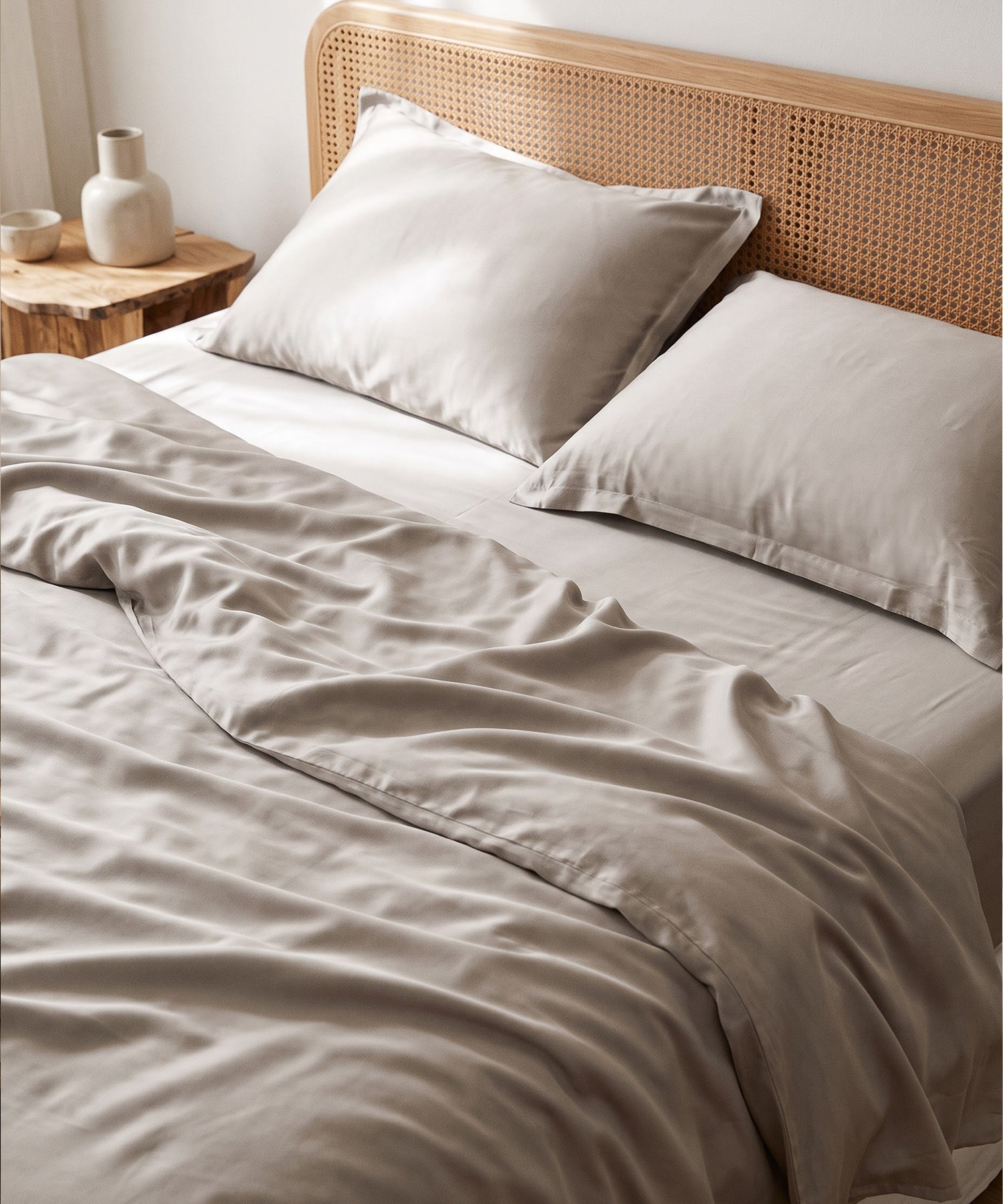
Buying Linen Bedding: What to Check Before You Buy
When buying linen bedding, fabric weight, weave and finishing determine quality – not the word "linen" alone. This guide explains which figures matter, what bed sizes are standard in Europe, and ho...

How often should you change your bed linen?
Bed sheets and pillowcases should generally be washed once a week, whilst duvets and pillows should be washed less frequently, but regularly in accordance with the care label. Exactly how often dep...

An overview of bed linen sizes: German, EU and special sizes
In Germany, bed linen is usually sold in sizes of 135 x 200 cm or 155 x 220 cm, with matching pillowcases in 80 x 80 cm or 40 x 80 cm. However, France, Switzerland and furniture retailers such as I...

Tencel and Lyocell bed linen: silky soft and sustainable
Bed linen made from TENCEL™ Lyocell is silky soft, moisture-regulating and sustainably produced from wood fibres. This guide explains what makes Lyocell special and how to choose between twill and ...
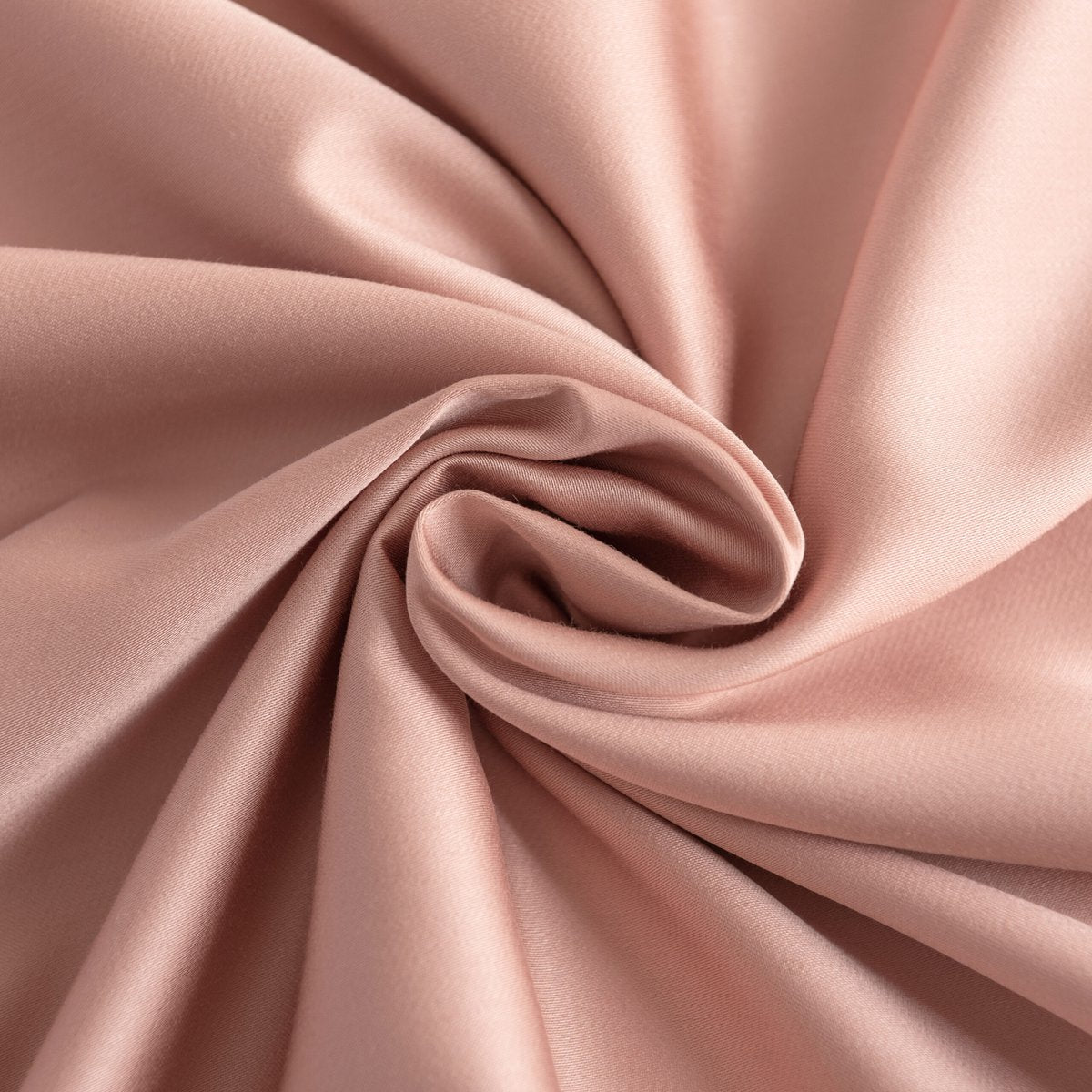
Bamboo bed linen: breathable, soft and sustainable
Bamboo bed linen is breathable, hypoallergenic and silky soft — a sustainable alternative to cotton. This guide explains what makes bamboo viscose special and what you should look out for when buyi...
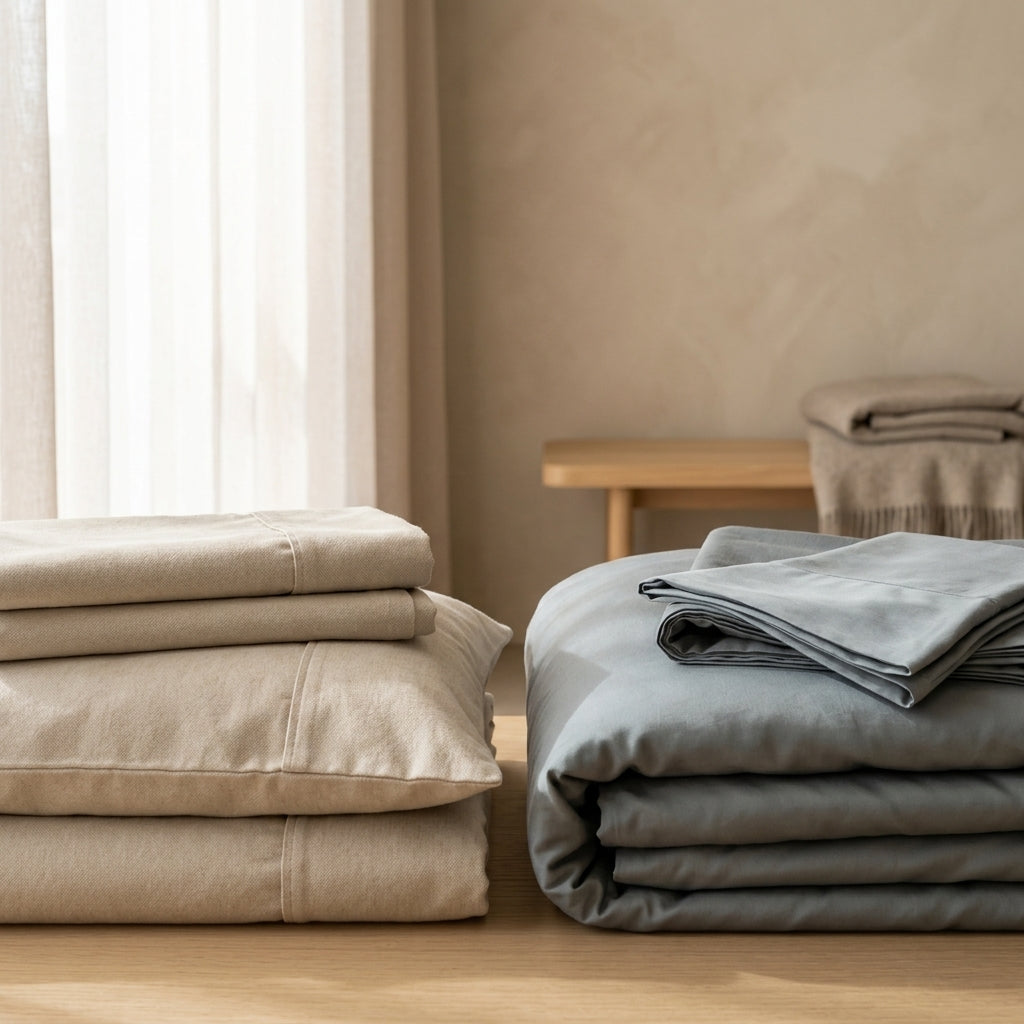
Thread count in bed linen explained: What really matters
The thread count merely describes the density of the fabric, not the quality of bed linen. The weave, type of cotton and yarn processing have at least as great an influence on the feel of the fabri...